Litter Management
PRODUCT OVERVIEW
Litter Containment Netting
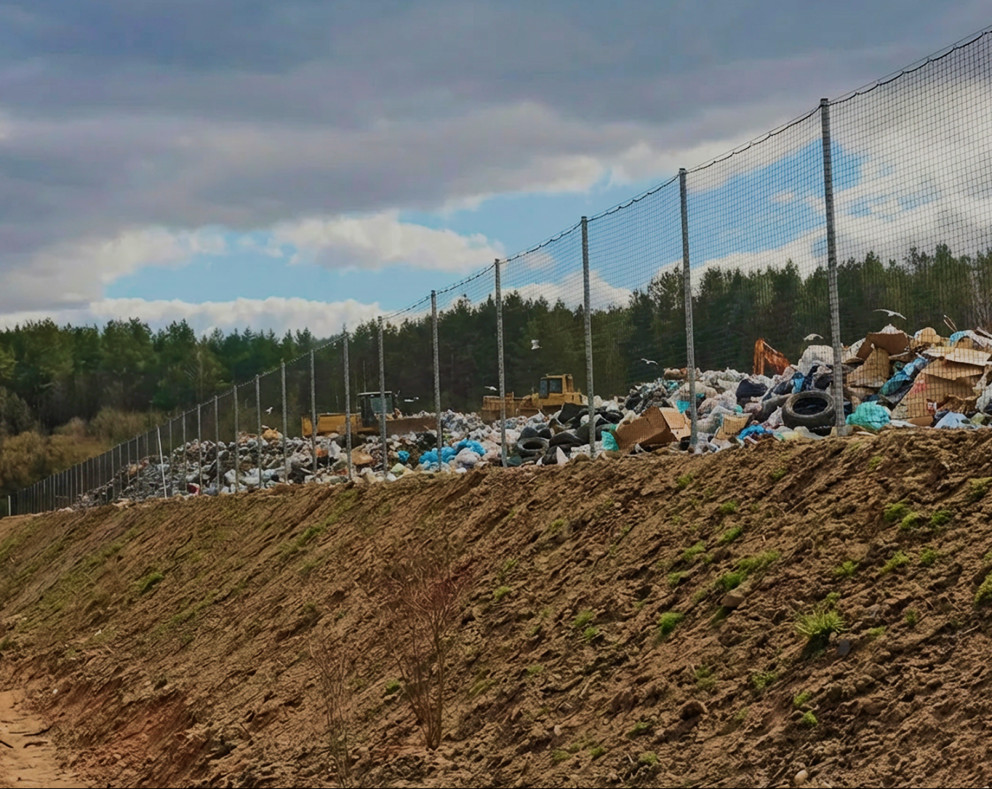
Litter containment netting systems are designed to be durable and high-strength, using materials such as nylon or polyethylene with UV and weather resistance for long-term outdoor performance. These systems help facilities capture and control airborne debris, preventing litter from spreading beyond property lines or entering nearby roads, waterways, or neighboring areas.
Your Turnkey Partner for Litter Containment Netting
Let’s Talk About Your Netting Project
"*" indicates required fields
common USE CASES
Litter Containment Systems Are Essential for Many Facilities
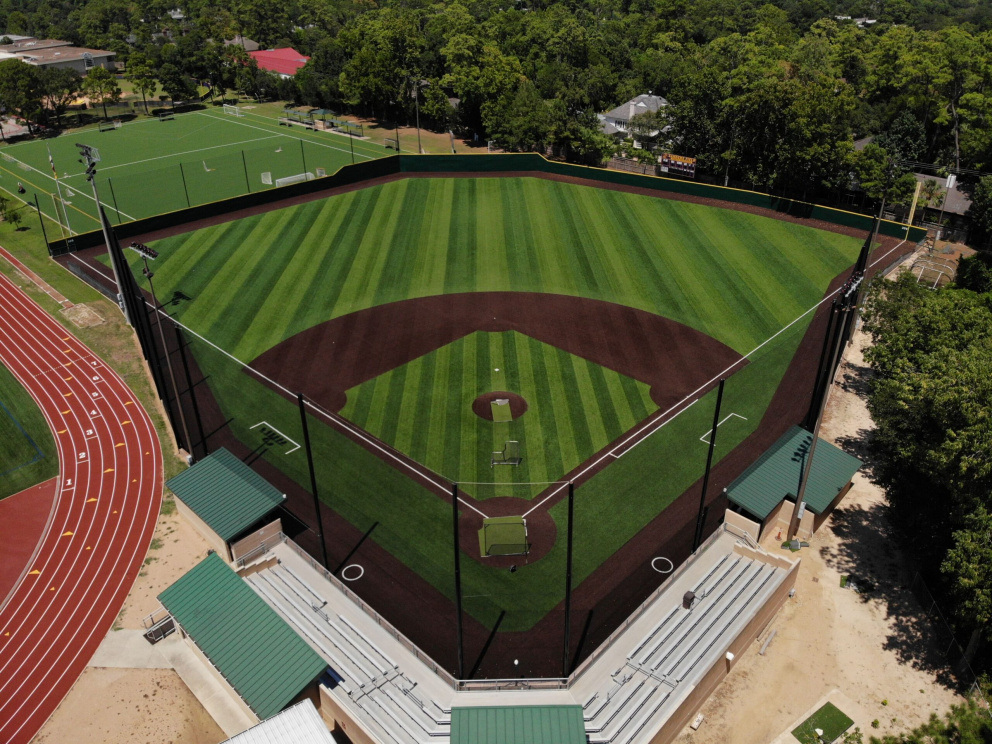
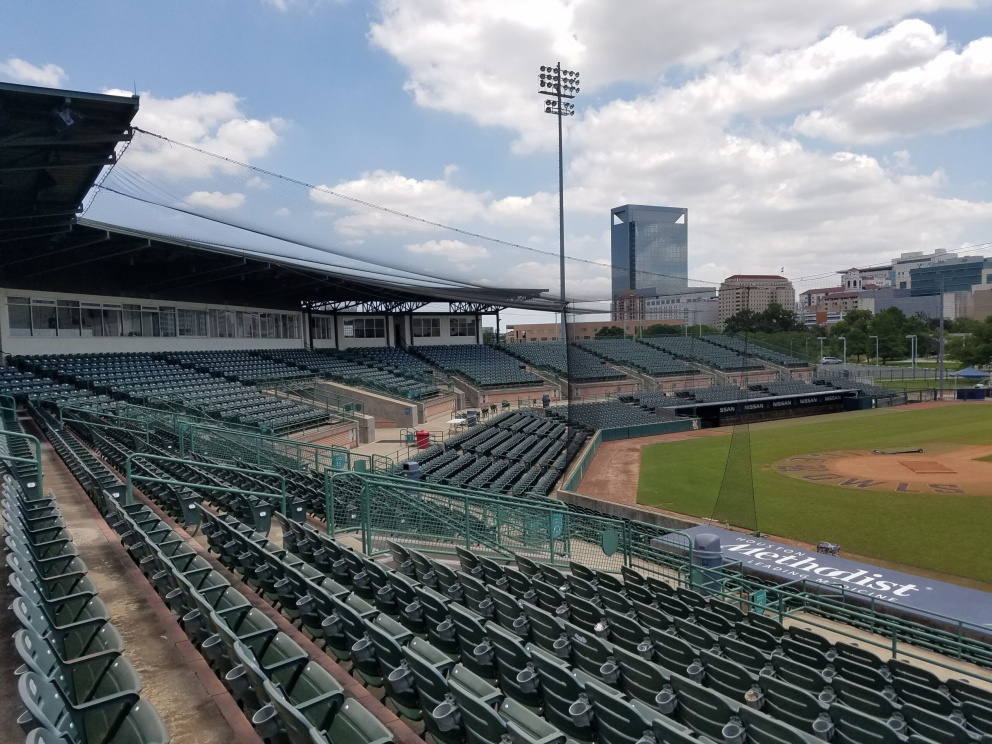
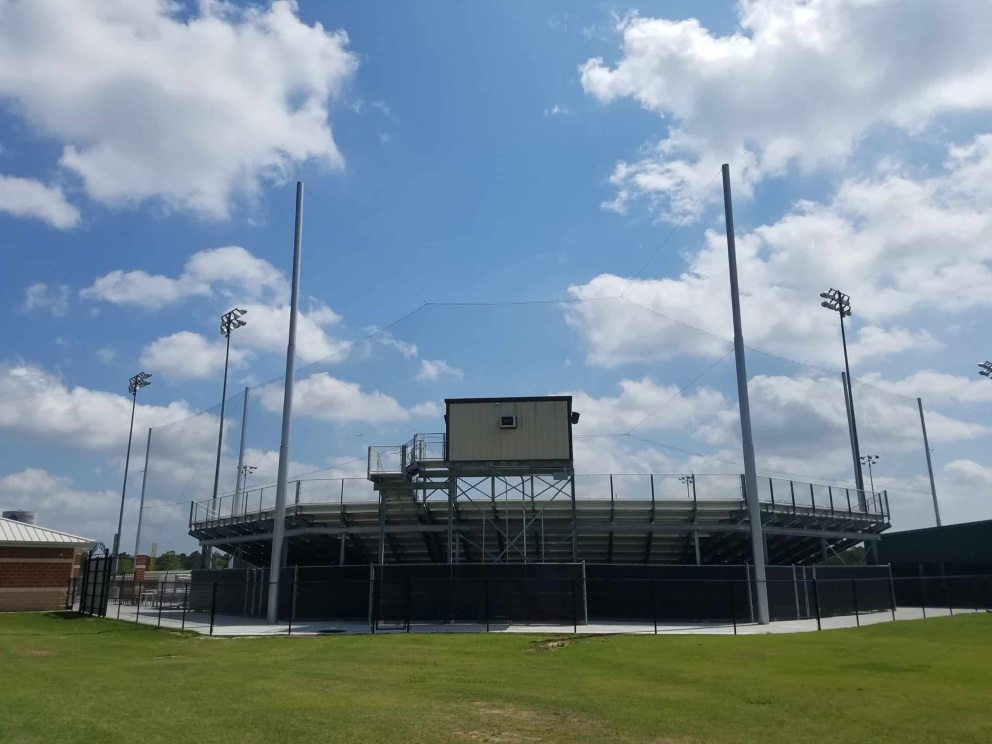
Sports complexes generate large volumes of waste during events—everything from food wrappers and drink cups to packaging and lightweight debris. When wind carries this litter beyond the facility, it can quickly impact nearby neighborhoods, parking areas, and natural spaces. Litter containment netting installed along perimeter fencing helps capture windblown debris before it leaves the property, keeping sports venues cleaner, more organized, and environmentally responsible.
Baseball, Softball & Cricket
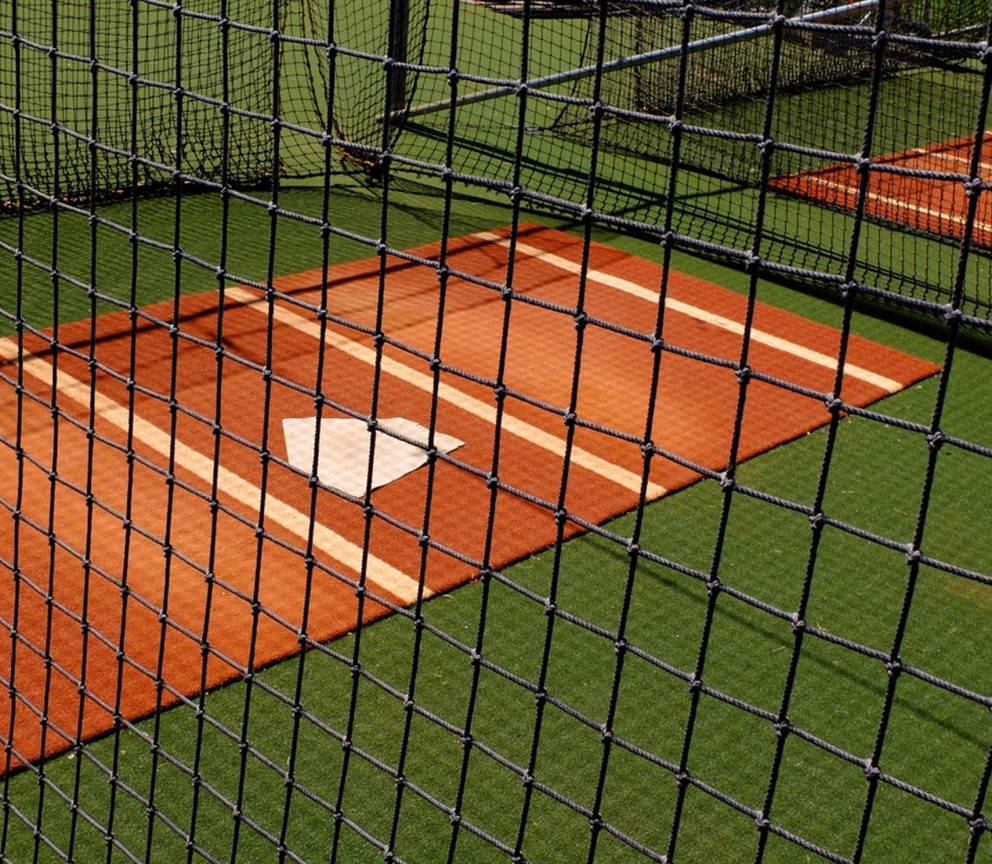
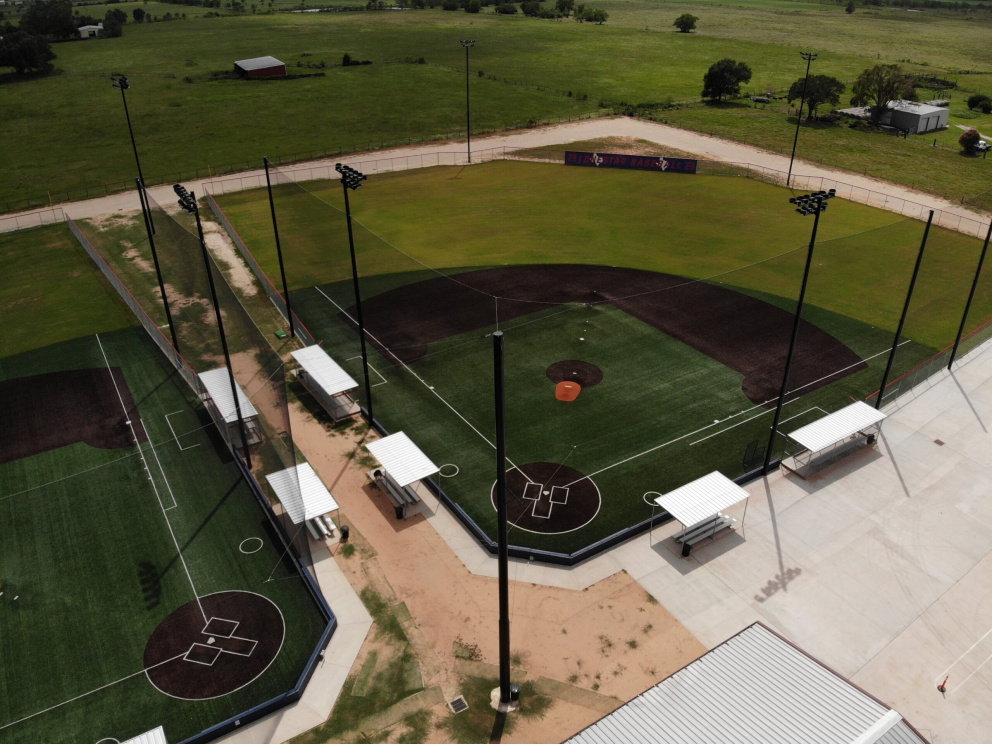
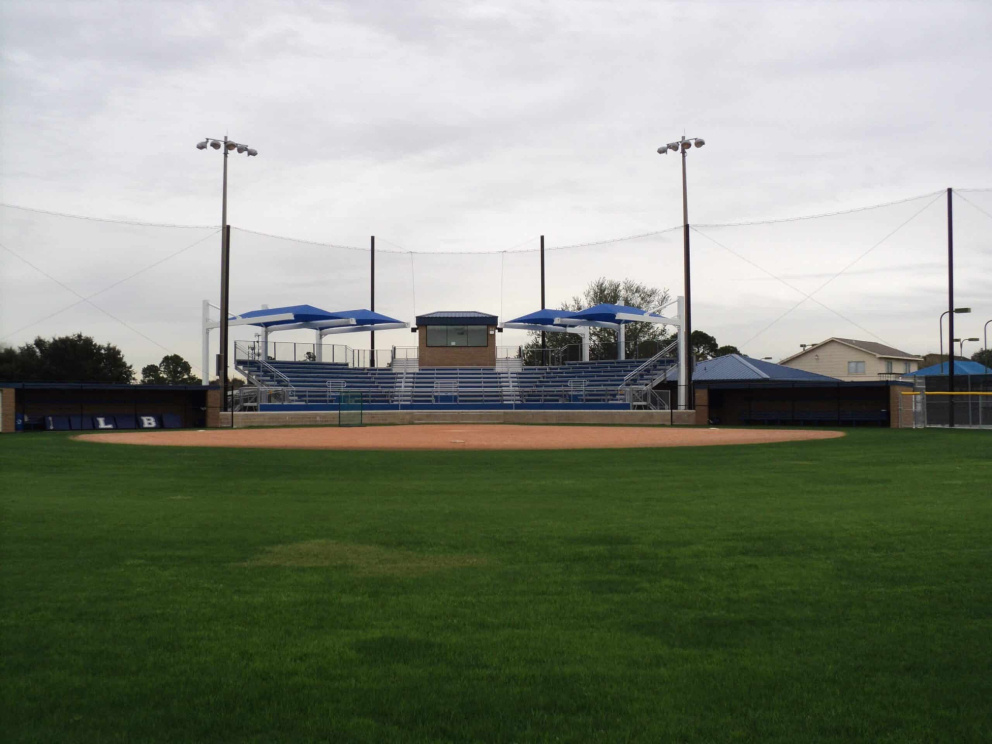
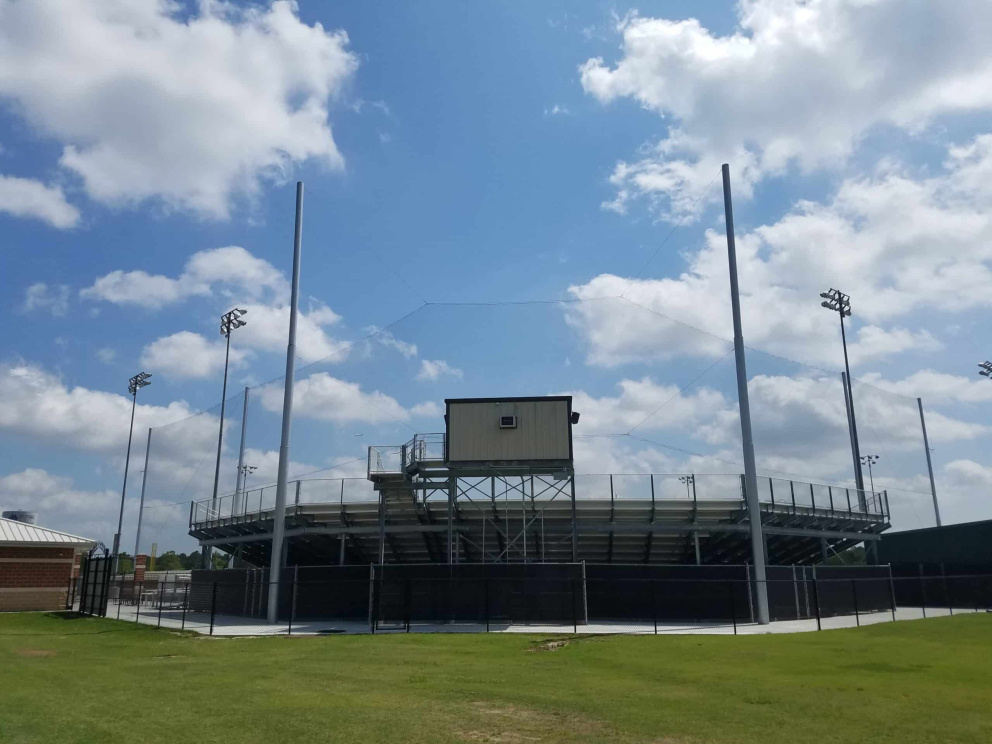
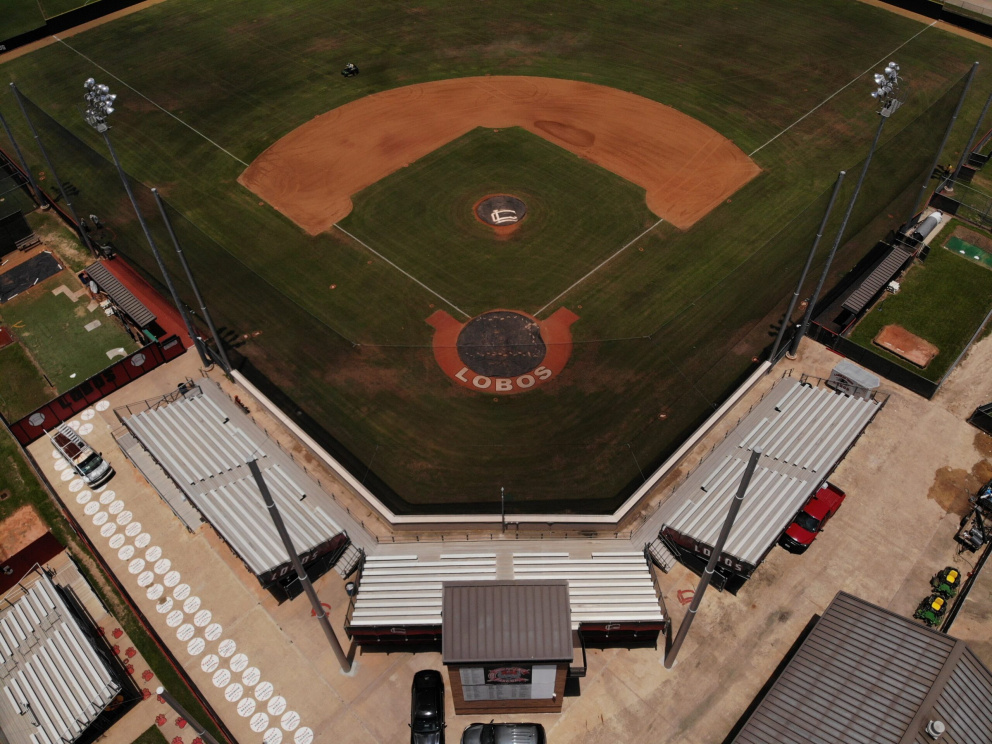
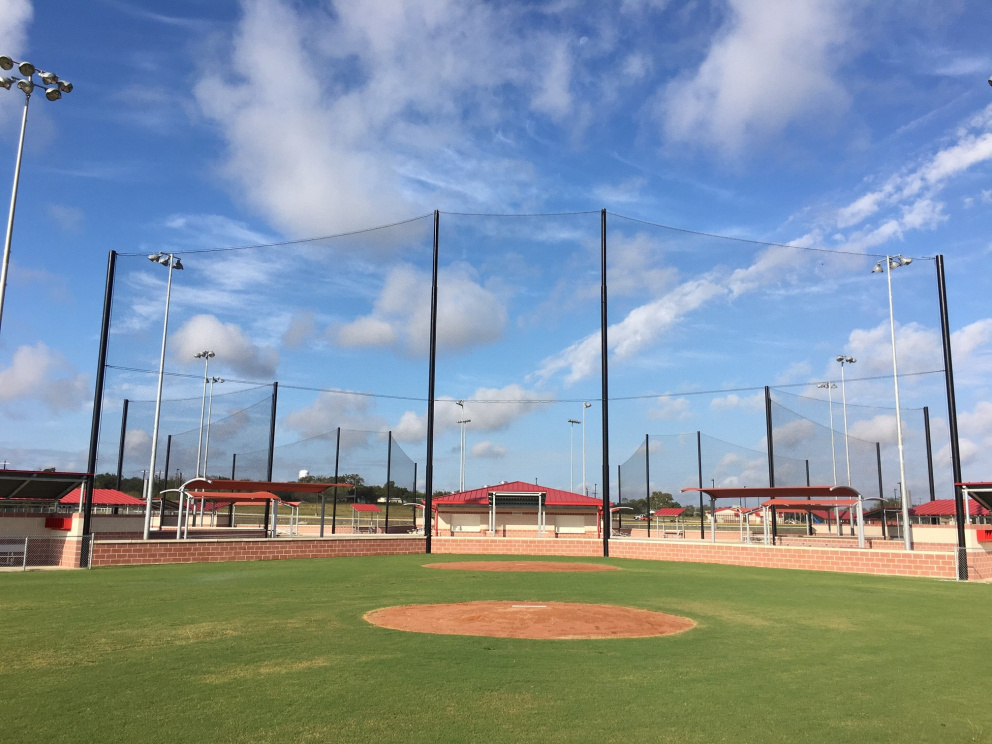
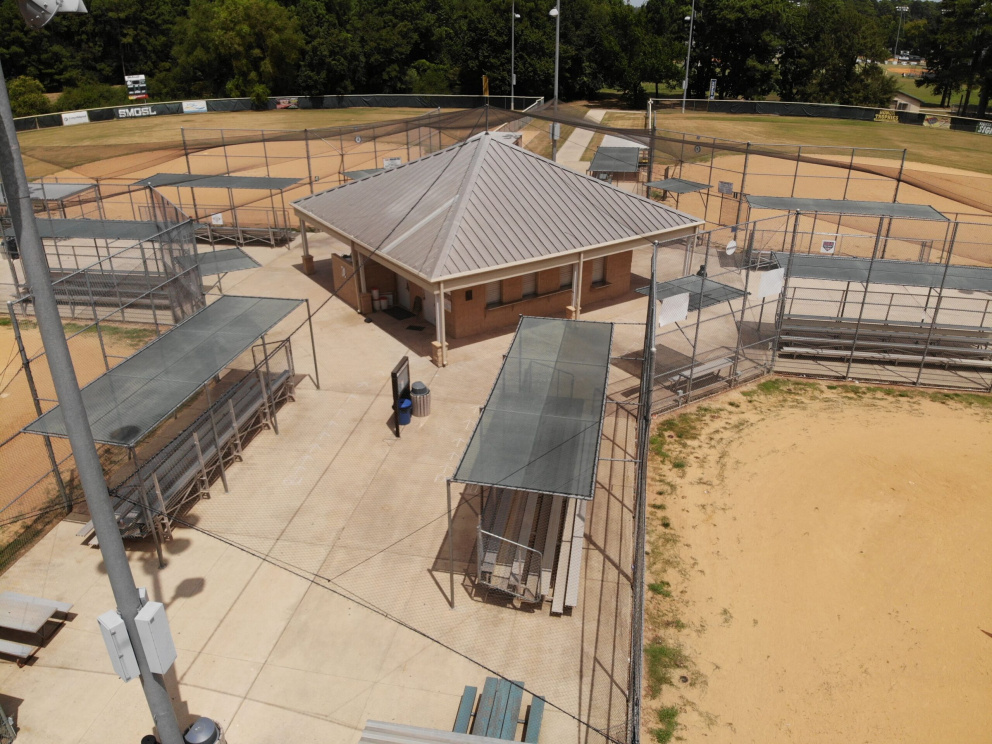
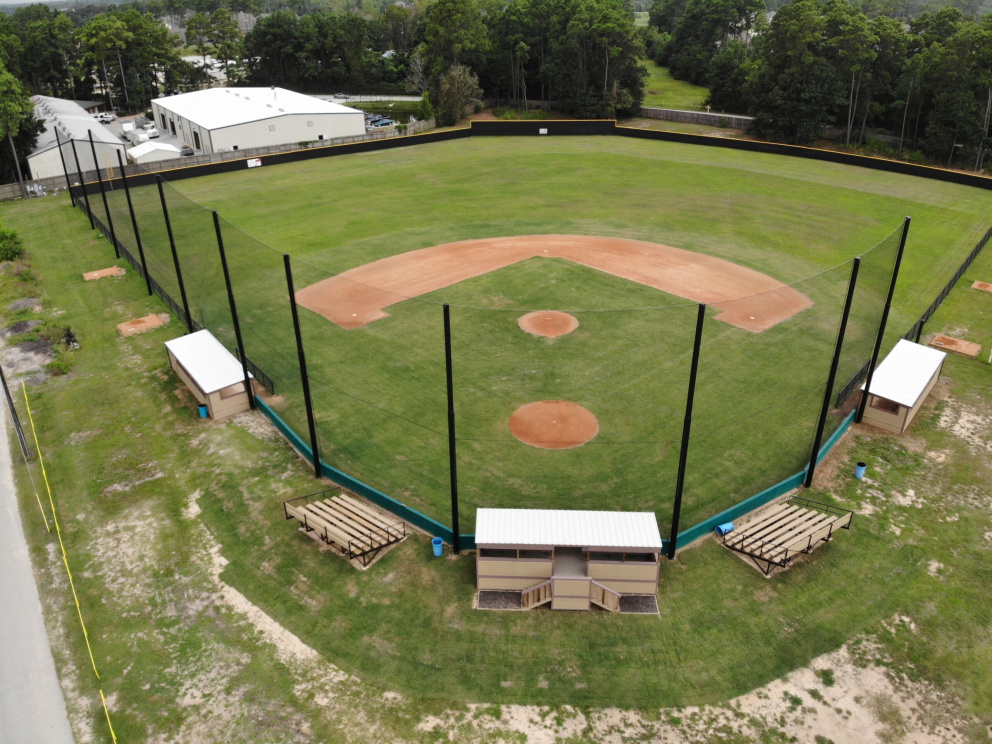
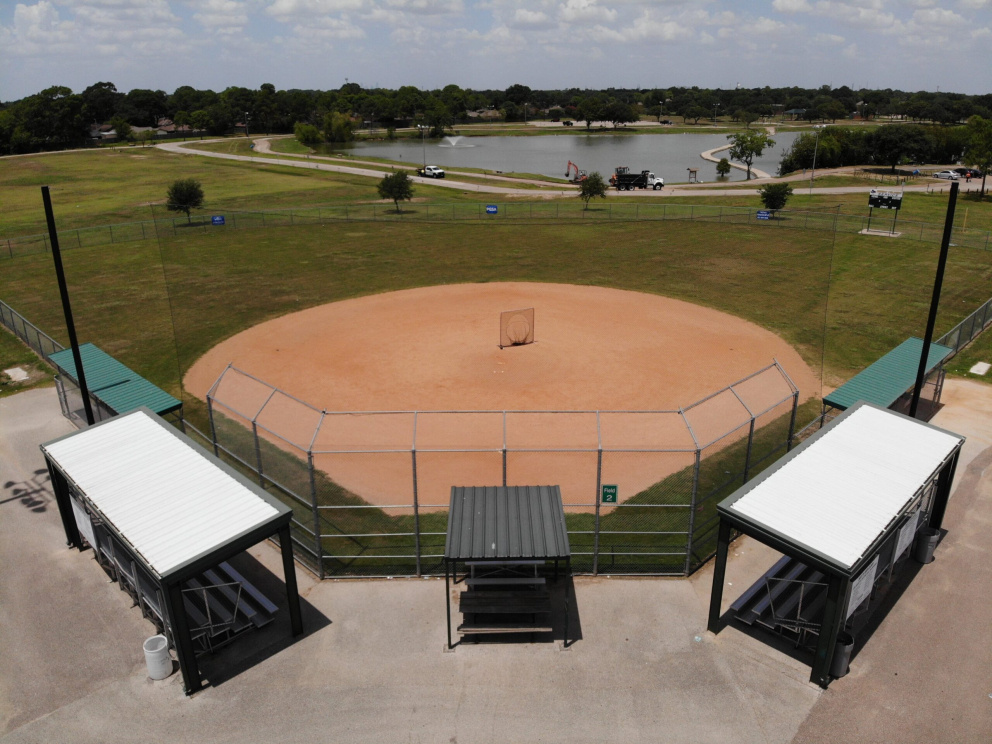
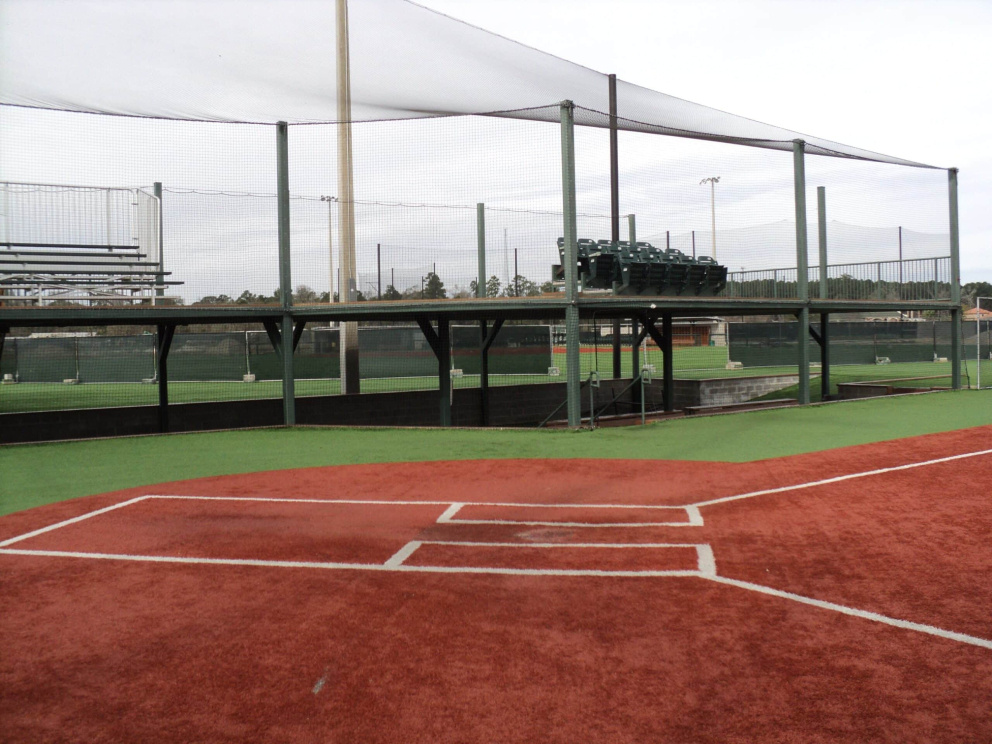
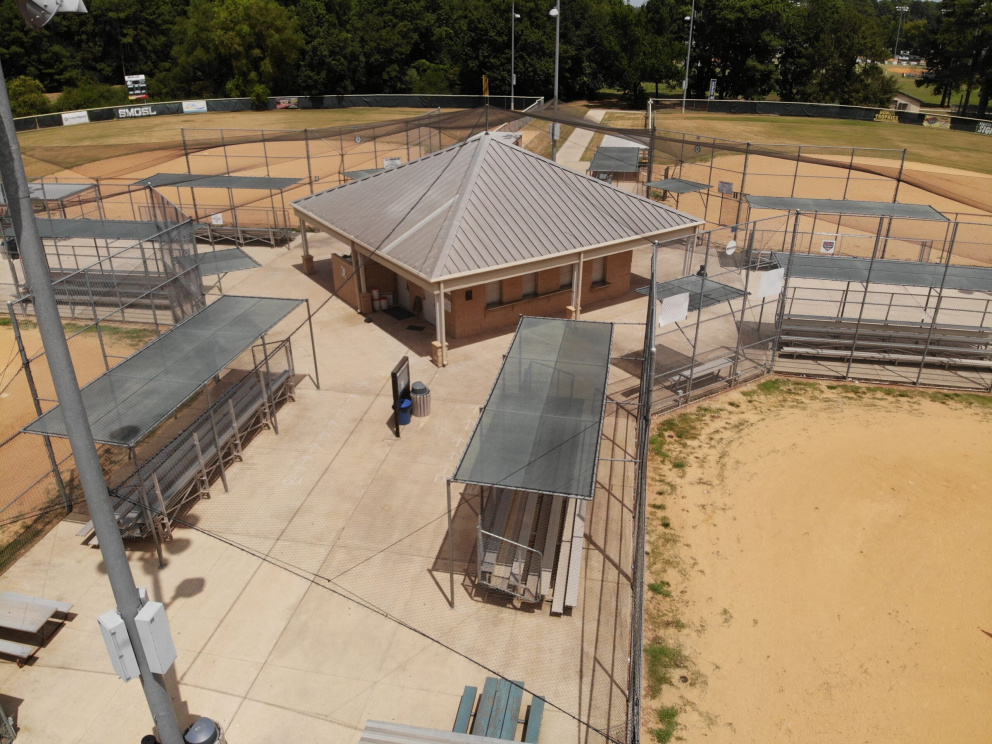
Installed along outfield fences or perimeter boundaries to capture windblown trash from seating areas, concessions, and spectator zones before it spreads beyond the field complex.
Football & Soccer
Placed around stadium perimeters and field boundaries to prevent lightweight debris from stands and concourse areas from being carried off-site during games or large events.
Golf
Used along driving range boundaries and course edges to contain discarded materials and windblown debris from practice areas, concessions, and spectator spaces.
Drone Racing
Installed around race venues and spectator areas to help contain event-related litter while also serving as protective barriers around the course.
feature article
The Difference That Quality Baseball Netting Systems Can Make
At any level of play, safety and visibility are essential for a great baseball or softball experience. Whether it is Little League or the pros, every ball field can benefit from baseball netting systems. At Nets of Texas, we offer systems that are thoughtfully designed, expertly installed, and built to last.
features & details
We Offer Different Types of Litter Containment Systems
Nets of Texas is built to solve any containment or perimeter netting challenge. We specialize in providing the right solution for every facility, offering a wide range of netting systems designed to capture and control windblown debris.
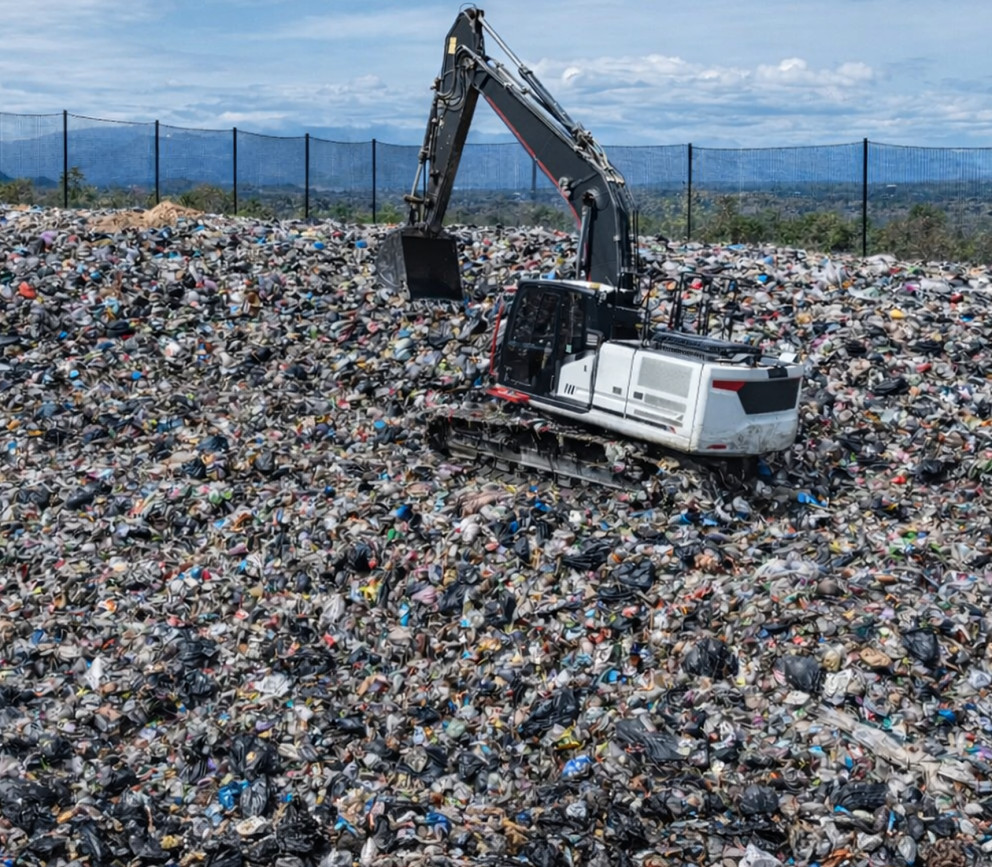
Perimeter litter containment systems are designed to surround facilities with tall netting barriers that intercept airborne debris before it leaves the property. These systems are commonly used at landfills, recycling centers, and transfer stations where lightweight materials can easily be carried by wind.
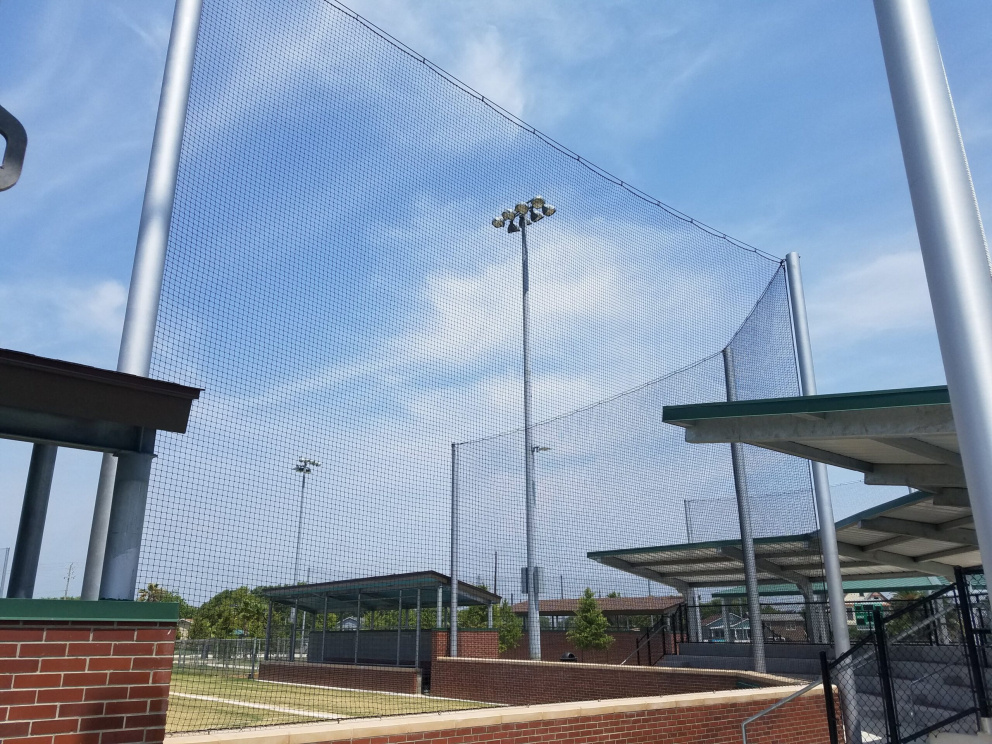
Our suspension netting systems utilize cables to support large sections of containment netting across wide areas. By placing structural poles outside the main containment area, these systems maximize coverage while minimizing obstruction within the facility.
If your facility already has perimeter fencing in place, fence-mounted netting extensions provide an efficient way to increase containment height. These systems attach directly to existing fence structures and extend netting upward to improve debris control.
Inline netting systems combine poles and netting arranged directly along property boundaries. This design is often used when space is limited and containment structures must be installed directly along fence lines or perimeter edges.
See Our Litter Fence & Barrier Installations
Ready to Discuss Your Options?
Considerations
Key Factors We Consider When Designing Litter Containment Systems
Every facility is different, which means litter containment systems must be carefully designed to match the environment, wind patterns, and site layout.
At Nets of Texas, we evaluate several critical factors to ensure each system captures debris effectively while remaining durable and easy to maintain.
FACTOR 1
Wind Exposure & Debris Movement
Understanding prevailing wind patterns is essential when designing litter containment systems. Our team evaluates how debris typically moves across a site and positions netting structures to intercept airborne materials before they reach property boundaries.
FACTOR 2
Facility Layout & Perimeter Coverage
Every facility has unique dimensions, obstacles, and operational zones. We design containment systems that integrate with existing fencing, buildings, and infrastructure to provide maximum coverage without interfering with daily operations.
FACTOR 3
Netting Height & Structural Support
The height and strength of a litter containment system are critical for capturing windblown debris effectively. Our engineers determine the appropriate pole spacing, netting height, and cable support systems needed to withstand local weather conditions while maintaining performance.
FACTOR 4
Material Durability & Maintenance
Outdoor containment systems must withstand sun exposure, wind loads, and long-term use. We select high-performance netting materials and structural components designed for durability, minimal maintenance, and long service life.
sports netting articles
Insights
safety & injury prevention